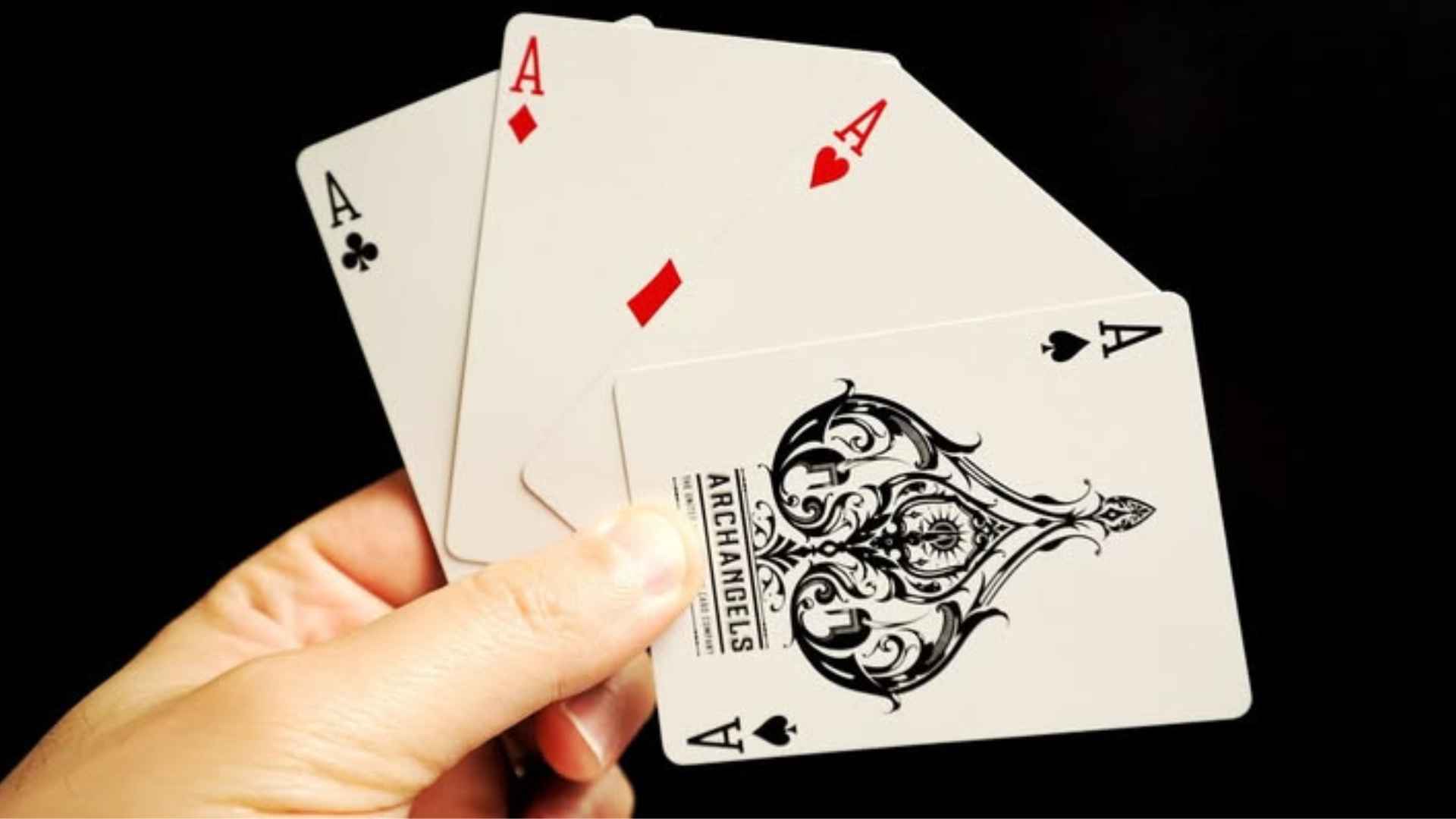
The game of bridge is highly regarded as an intense test of mental sharpness, requiring a unique blend of mathematical calculation, psychological evaluation, and seamless cooperation. To consistently win and outsmart seasoned opponents, developing specific tactical skills is essential for building real confidence at the card table. Moving beyond simple card-playing rules allows enthusiasts to approach complex competitive hands with absolute clarity and calm conviction.
Mastering Bidding System Nuances
The auction phase of any bridge game acts as the ultimate roadmap for how the entire hand will eventually be played. Developing a deep, shared vocabulary of bidding conventions with your partner is the primary way to minimize hesitation and build strategic trust. When you can accurately predict your partner's exact distribution and high-card strength, your tactical confidence naturally rises.
Many analytical players regularly utilize trusted digital platforms like M88 indonesia to sharpen their overall logical deduction skills and competitive decision-making habits. Learning how to interpret silent cues and subtle bidding signals helps you remain completely composed during critical tournament situations. Establishing these clear, reliable bidding boundaries prevents costly misunderstandings before the card play even starts.
Developing Precise Card Counting Habits
A major key to executing brilliant defensive and offensive plays is maintaining an active mental count of the outstanding cards in each suit. Keeping track of which high cards have already been played enables you to reconstruct the hidden hands with remarkable precision. This deliberate calculation removes the guesswork, transforming risky maneuvers into calculated, highly successful decisions.
As you practice tracking distribution patterns, you will find it much easier to anticipate your opponents' remaining defensive holdings. This cognitive habit allows you to confidently decide when to take a finesse or when to play for a drop. Developing a systematic approach to card counting builds a solid foundation of self-trust that directly improves your win rate.
Refining Opening Leads and Defensive Signals
Defending successfully is often considered the most intellectually demanding aspect of bridge because you must work with limited information. Choosing the perfect opening lead can instantly disrupt the declarer's strategic plan and set a winning tempo for your entire partnership. Paying close attention to the auction history is crucial for identifying the declarer's weak spots.
Furthermore, using standard defensive card signals allows you and your partner to exchange vital data about your holdings legally. For example, high-low discards can signal attitude or length, helping your partner make the correct return play. Mastering these cooperative signaling systems transforms difficult defensive stands into highly coordinated, confident victories.
The Role of Focused Practice Routines
True tactical confidence is never built overnight; it is the natural result of structured, consistent training over an extended period. Regularly reviewing hands that went poorly is one of the most effective methods to identify and correct logical flaws in your play. Over time, recognizing familiar card layouts becomes second nature, allowing you to react quickly and accurately.
Practicing under varied conditions also builds the mental resilience required to handle unexpected setbacks calmly during high-stakes matches. When you approach the table with a wealth of structured experience, pressure becomes a tool for focus rather than a source of anxiety. Dedicating time to targeted training remains the single most reliable path to achieving lasting success in bridge.