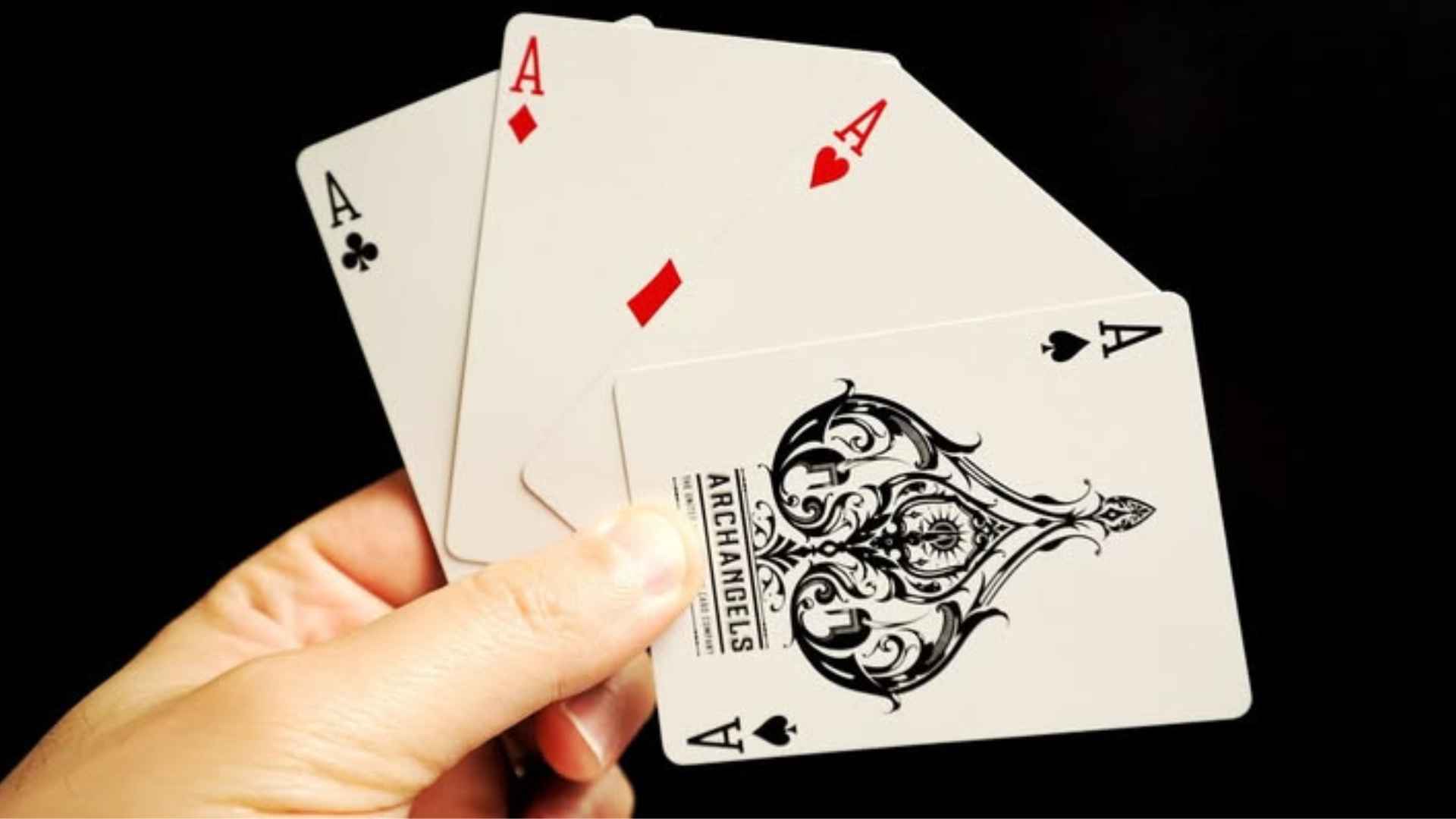
Poker is fundamentally a game of hidden data, where maintaining a sense of mystery is vital to securing long-term profits. However, many enthusiastic players frequently fall into repetitive behavioral patterns that broadcast the exact strength of their cards to observant opponents. By failing to vary their strategic decisions, these individuals unknowingly transform themselves into easy targets for seasoned veterans at the table.
Static Betting Sizes Across Diverse Boards
One of the most frequent missteps that signals a player's exact intentions is utilizing the same wager amounts regardless of shifting board textures. Amateurs often fall into the habit of betting small with marginal holdings and scaling up dramatically only when they possess the absolute nuts. This obvious variance in sizing allows sharp opponents to fold early against large bets and easily exploit smaller wagers.
To fix this leak, developing players must learn to standardize their betting sizes based on the board dynamic rather than individual card strength. Balancing your range ensures that opponents cannot easily deduce whether you are holding a massive pair or executing a calculated bluff. Observing these structural patterns on platforms like M88asia can help you recognize how elite competitors mask their strategic intentions effectively.
Repetitive Responses to Preflop Aggression
Another critical operational flaw involves responding to preflop raises in an entirely predictable and unyielding manner. Many competitors display a rigid pattern where they only call raises with medium pairs and reserve three-bets exclusively for premium cards like pocket aces. This lack of flexibility makes it incredibly simple for aggressive players to steal pots out of position without facing any realistic resistance.
Injecting a healthy mix of light three-bets and tactical folds into your preflop routine immediately disrupts the defensive reads of your opponents. When your preflop actions remain dynamic, other players are forced to proceed with caution rather than blindly applying continuous pressure. Achieving this strategic unpredictability requires a deep commitment to analyzing table dynamics over multiple consecutive sessions.
Defensive Chip Handling and Physical Telltales
Physical habits often create massive information leaks that override even the most fundamentally sound mathematical strategies. Casual enthusiasts frequently touch their chips protectively when a scary community card hits the board, signaling a deep sense of anxiety about their current holding. Alternatively, sudden rigidity or forced relaxation during a betting round clearly broadcasts an underlying emotional state to the rest of the table.
Developing a consistent routine for every single movement at the green felt surface is essential for neutralizing these physical tells. Whether you decide to fold a weak hand or launch a massive bluff, your physical demeanor must remain entirely indistinguishable. Cultivating complete physical control ensures that observant opponents are left guessing based purely on card probabilities rather than behavioral slips.