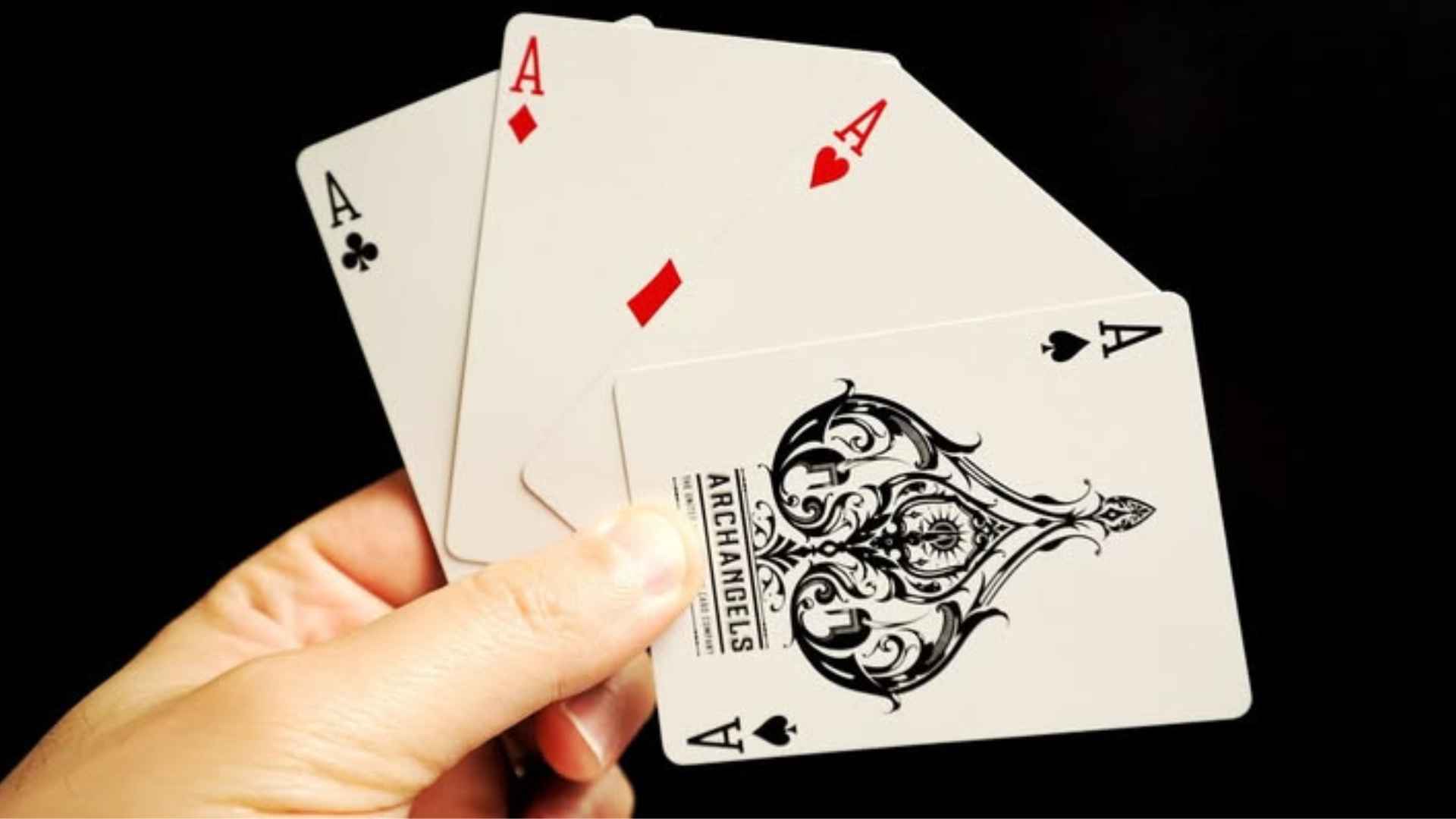
The transformation of standard card decks into prestigious status symbols represents a fascinating intersection of economic history and cultural evolution. Centuries ago, gathering around a gaming table was not merely a casual pastime but a highly choreographed display of wealth and societal standing. Examining how these tabletop activities achieved such elite status reveals deep insights into the leisure habits of historical high society.
The Cost of Artistry and Early Production Culture
Long before automated printing presses democratized manufacturing, producing a single deck of playing cards required immense manual labor and specialized artistry. Master craftsmen meticulously hand-painted every individual illustration onto fine materials, ensuring that only the wealthiest households could afford to acquire them. Consequently, displaying a beautifully rendered set of cards served as an immediate indication of a family disposable income and refined artistic taste.
As production techniques slowly evolved across Europe, the elite demanded increasingly intricate designs to distinguish their collections from common duplicates. Gilded edges, rare pigments, and custom family crests became standard additions for games hosted in private aristocratic salons. This careful attention to material culture firmly cemented tabletop gaming as a luxurious pursuit reserved for the upper echelons of society.
Private Salons and the Architecture of High Society
During the eighteenth and nineteenth centuries, exclusive gaming rooms in major cultural capitals functioned as essential networking hubs for influential political and economic figures. These beautifully decorated spaces established strict behavioral codes and high financial thresholds to ensure that only individuals of certain backgrounds could enter. Participating in a high-stakes round of baccarat or whist allowed noblemen to demonstrate their emotional composure and strategic intelligence under intense pressure.
The physical environment of these historic venues reinforced the underlying theme of exclusivity and financial power. Fine furnishings, elite refreshments, and quiet observation zones transformed card playing from a simple game of chance into a grand social ritual. Today, modern enthusiasts looking to explore the digital descendants of these legendary tabletop variations can utilize a secure m88 login to access a wide variety of contemporary options. This virtual shift preserves the mathematical core of classic formats while introducing streamlined convenience for global players.
The Psychological Appeal of Balanced Risk Management
Beyond the material elegance, classic card games grew popular among the elite because they provided a structured simulation of financial strategy and calculated risk. Wealthy individuals took great pride in mastering complex probabilities and reading the subtle physical behaviors of their competitive peers around the table. Winning a difficult match was viewed as a testament to one personal discipline rather than a lucky turn of events.
This deep emphasis on tactical decision-making separated traditional card games from simpler amusements that relied strictly on randomized outcomes. The ability to handle significant financial exposure with grace and intelligence remains a foundational element of elite gaming traditions. By blending mathematical rigor with intense social competition, these timeless activities successfully retained their prestigious reputation throughout changing historical eras.