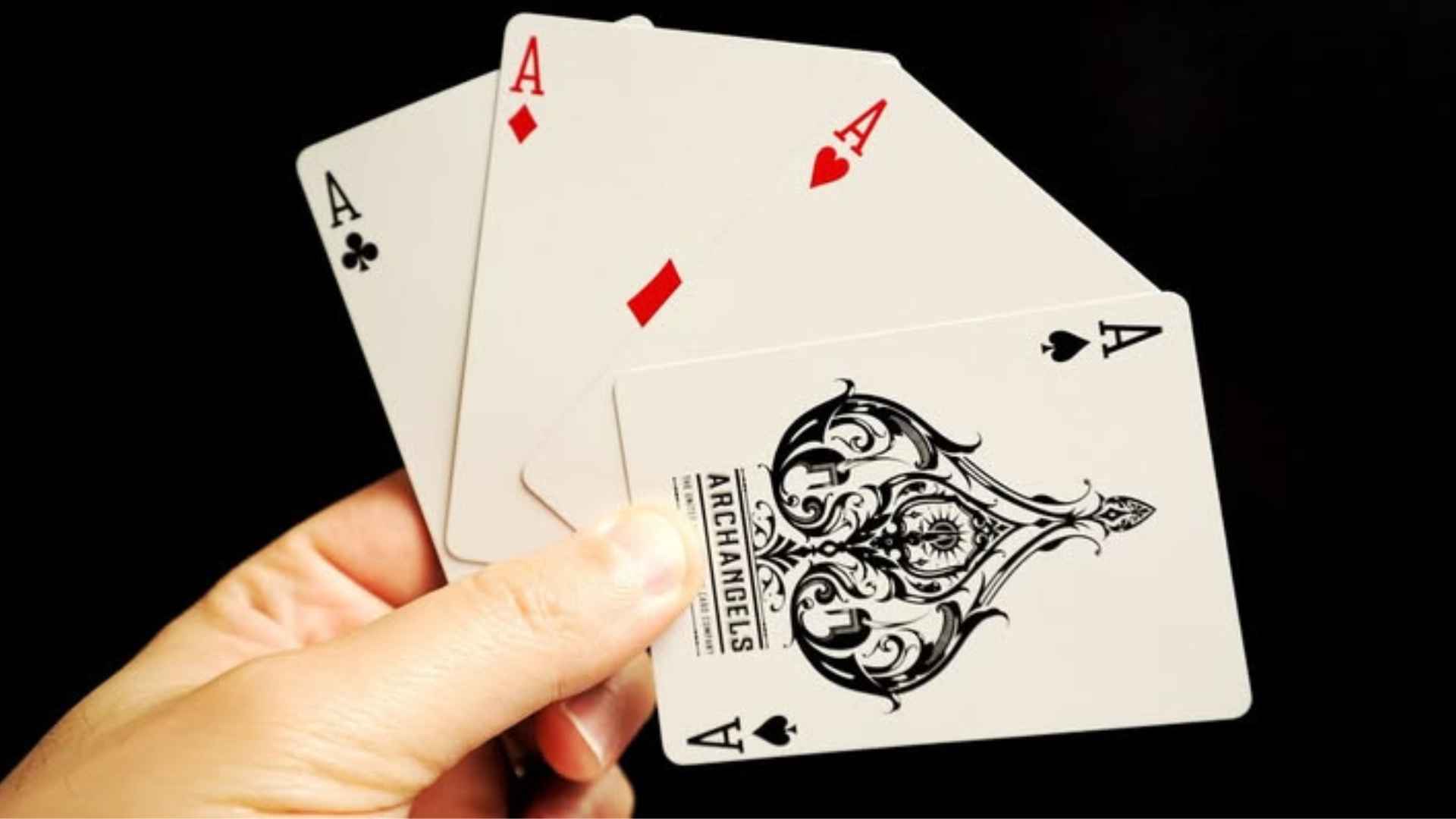
Mastering the modern competitive landscape requires far more than just technical knowledge and a basic understanding of strategic rules. Long-term success heavily relies on a player's capability to decode the actions, habitual patterns, and subtle adjustments of their rivals over time. By shifting your primary focus toward systematic observation, you can comfortably turn raw behavioral data into a highly reliable asset for strategic triumph.
The Core Dynamics of Player Observation
Developing a strong foundation in reading your opponents begins with tracking their baseline actions under completely neutral conditions. Many competitors unconsciously follow very predictable routines when they are perfectly comfortable or holding a highly secure position. Recognizing these default patterns allows you to spot minor deviations immediately when the stakes begin to rise significantly.
Observant individuals always categorize these reactions based on execution speed, frequency, and emotional control rather than relying on pure intuition. Tracking how someone handles sudden shifts in table dynamics provides vital clues about their genuine confidence level and current stress. This systematic categorization helps eliminate emotional guesswork from your strategic decision-making process completely during intense sessions.
Capitalizing on Strategic Position and Timing
Acting with a clear positional advantage gives you an immense informational cushion before choosing your next tactical move. Watching your opponents hesitate or make hasty decisions provides the necessary context to gauge the general stability of the entire table. Gathering this real-time data ensures that your subsequent counter-adjustments carry a much higher probability of ultimate success.
For individuals looking to explore structured competitive platforms for regular practice, visiting M88asia offers a dynamic online environment to test these observational skills. Utilizing late positions allows you to monitor the commitments of your rivals closely before risking any of your own valuable resources. Perfecting this timing helps you protect your capital while maximizing total returns during high-pressure scenarios.
Managing Personal Composure and Behavioral Cues
While analyzing the habits of others is essential, protecting your own strategy by maintaining a completely neutral table presence is equally vital. Competitors often give away the absolute strength of their intent through subtle changes in their physical pacing or reaction times. Establishing a disciplined and uniform habit across all scenarios prevents observant rivals from building accurate reads on your behavior.
Your general action speed should always remain relatively balanced regardless of whether you hold a massive advantage or a highly vulnerable position. Impulsive movements frequently signal immediate panic, whereas forced delays can look completely artificial to experienced and analytical observers. Keeping your physical demeanor fluid and consistent ensures that your true strategic intentions remain entirely hidden from the field.
Adapting to Diverse Competitive Styles
Navigating a complex competitive field requires a highly flexible strategy that adjusts dynamically to tight, loose, or aggressive participants. Cautious rivals are often the easiest to manipulate through well-timed pressure because they actively prefer to avoid unnecessary financial risks. Conversely, erratic opponents demand a patient approach that focuses primarily on capitalizing on their frequent structural mistakes.
True tactical growth comes from adjusting your overall approach based on the specific vulnerabilities of the individual sitting directly across from you. Mixing high-level psychological awareness with disciplined risk management transforms ordinary play into a highly profitable long-term discipline. By treating opponent behavior as a readable variable, you can secure steady improvements and control the flow of the game effortlessly.