European Keno has long held a unique position in the world of numerical lotteries, combining traditional draw mechanics with distinct regional rule variations. As modern gaming platforms expand, these classic European frameworks are being adapted to meet the expectations of digital audiences. Understanding both the foundational rules and contemporary online features provides valuable insight into how this popular format continues to evolve.
The Core Structure of Classic European Keno
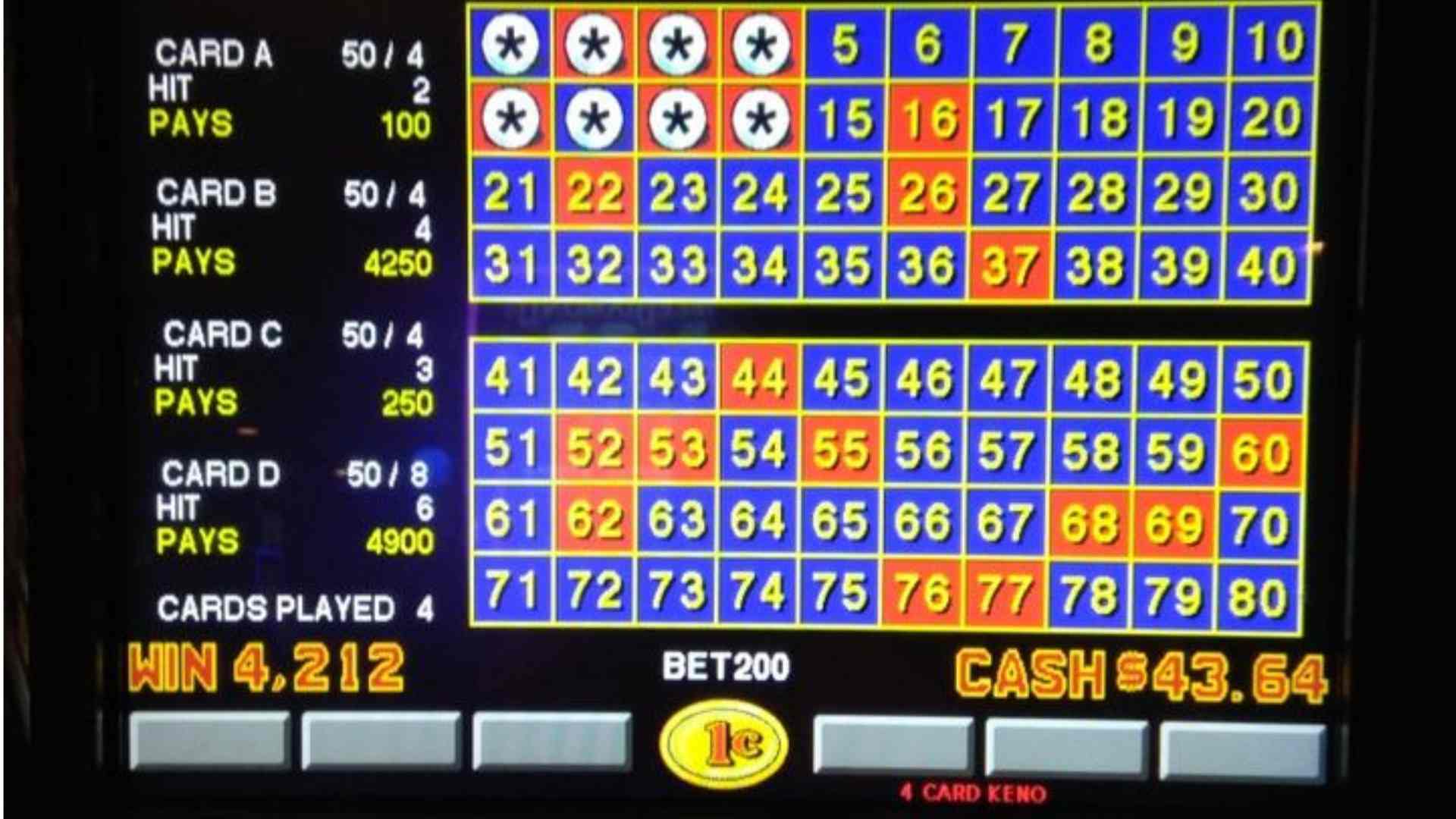
Traditional European Keno formats typically involve selecting numbers from a specified grid, often ranging from 1 to 70 or 1 to 80. Players choose a set amount of spots per ticket, balancing potential payout tiers against mathematical odds. Draws are then conducted to determine winning matches, providing a straightforward yet engaging probabilistic experience.
Unlike standard national lotteries, classic European variations frequently offer more flexible draw schedules and customized prize structures. Regional regulations historically shaped these differences, creating subtle changes in ticket pricing, maximum selection limits, and prize distribution. These regional nuances helped build a loyal following across various European gaming halls and lottery kiosks.
Modern Innovations in Digital Keno Platforms
The transition of Keno to online environments has introduced rapid-draw mechanics and customizable gameplay parameters. Modern web-based versions allow participants to adjust game speed, select multi-draw entries, and utilize automated selection generators. These digital tools make managing game sessions more convenient while preserving the foundational draw rules.
Interactive graphics and instant result verification further enhance the overall user experience on digital platforms. Players can review detailed session histories and track mathematical frequencies in real time without manual record-keeping. This level of operational clarity helps foster user confidence across online gaming environments.
Probability, Multipliers, and Extra Features
Many contemporary digital adaptations incorporate special bonus rounds, dynamic multipliers, and side selection markets. These modern additions can increase payout potential on specific matching numbers or offer secondary chance draws. Understanding how these features interact with standard odds is essential for maintaining realistic expectations during play.
While probability remains the underlying factor governing every outcome, strategic session planning helps players manage their budgets effectively. Setting clear boundaries on session length and entry costs ensures that participating in numerical entertainment remains an enjoyable activity. Knowledgeable enthusiasts recognize that no strategy can alter the built-in mathematical house edge.
The Future Outlook for European Keno Formats
As technology advances, cross-platform compatibility ensures that classic European Keno titles remain accessible across mobile devices, tablets, and desktop computers. Studios continue to experiment with live-streamed draw hosts and social leaderboards to bridge the gap between traditional social play and modern digital convenience. These developments point to a strong, adaptable future for numerical lottery games.
Ultimately, the blend of historical rules and digital flexibility allows European Keno to retain its timeless appeal while catering to a new generation of players. Regulatory standards and provably fair software will continue to safeguard transparency across global platforms. As the gaming landscape transforms, classic lottery formats will maintain their place as central pillars of casual entertainment.